
What to Wear Bouldering: You Probably Already Own It
Getting into bouldering can feel like entering a world with its own uniform.
Baggy trousers. Oversized tees. Beanies worn indoors for reasons nobody fully understands.
But if you're heading to a climbing gym for the first time, you probably don't need to buy anything new.
The best clothes for bouldering are comfortable, let you move freely and can survive the occasional disagreement with a climbing wall.
Chances are, you already own them.
Start with what you've got
Your first bouldering session doesn't need a shopping list.
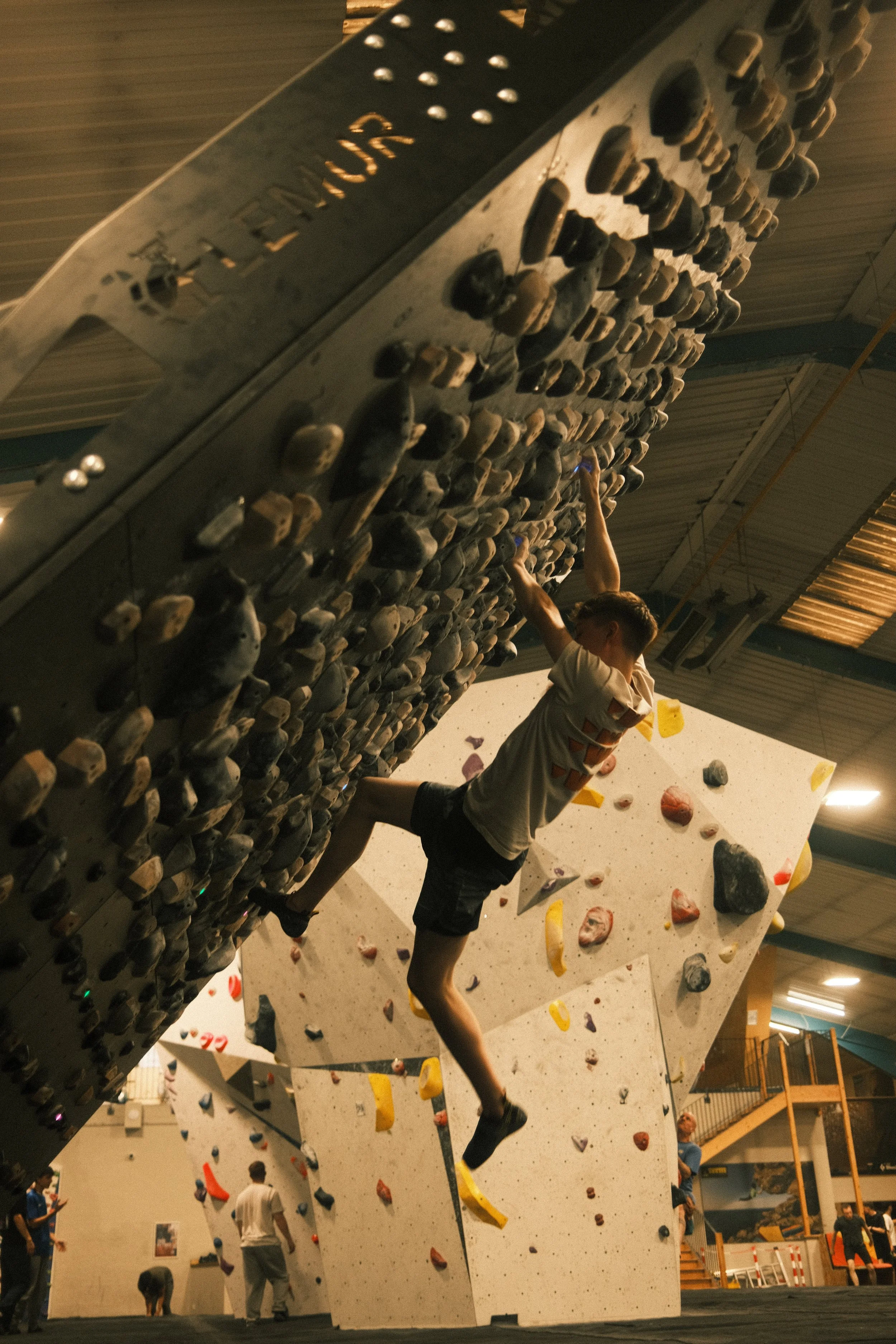
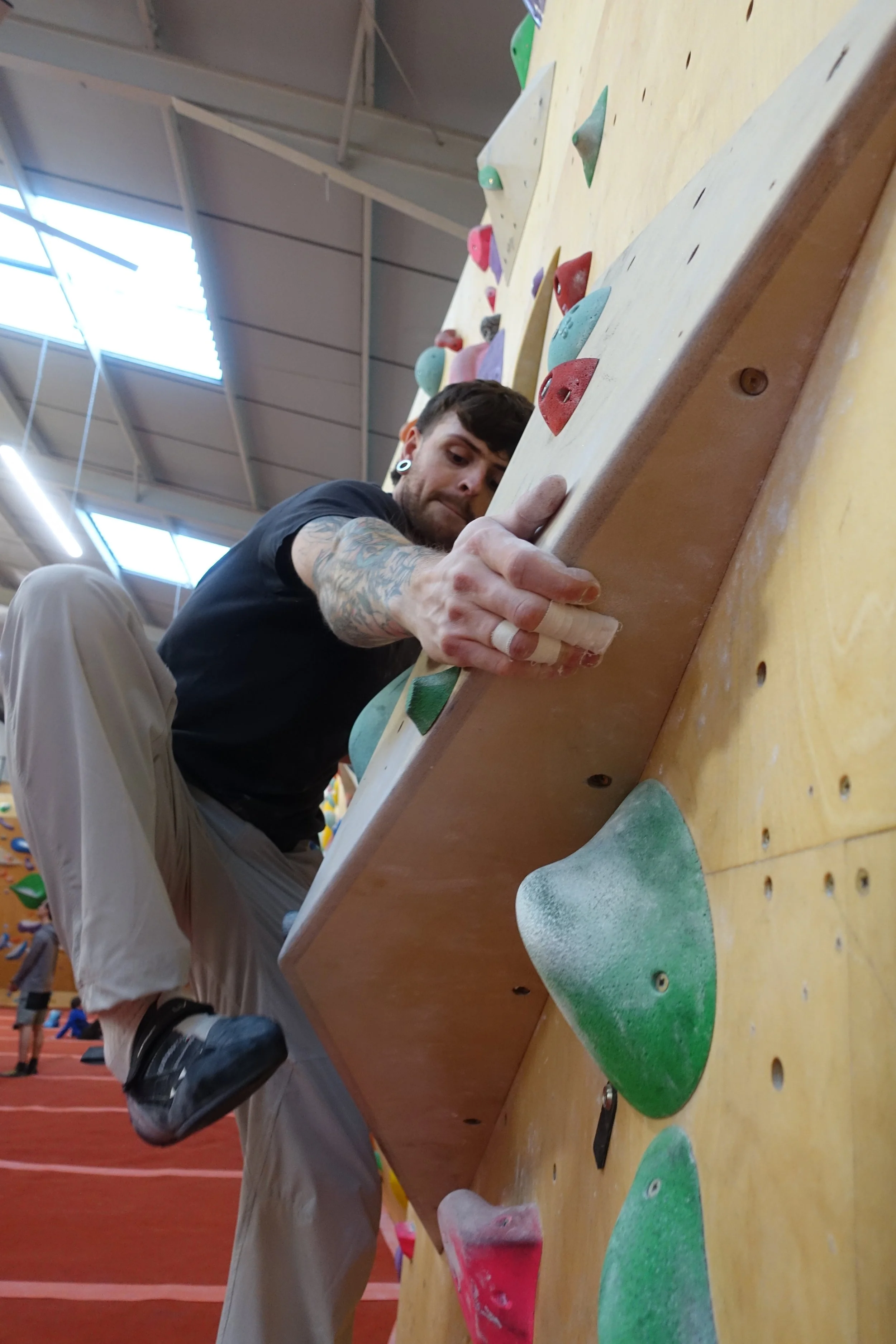
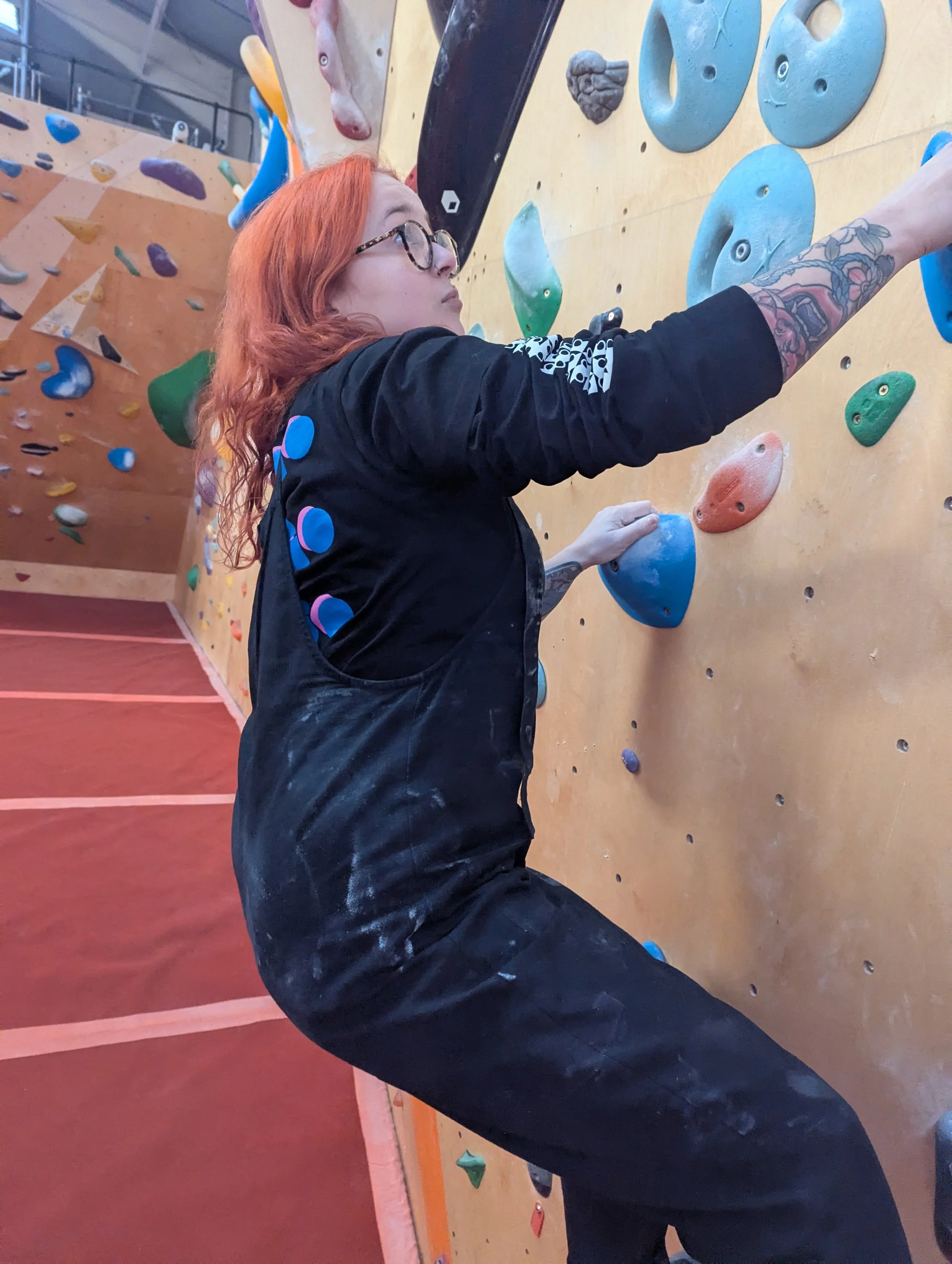
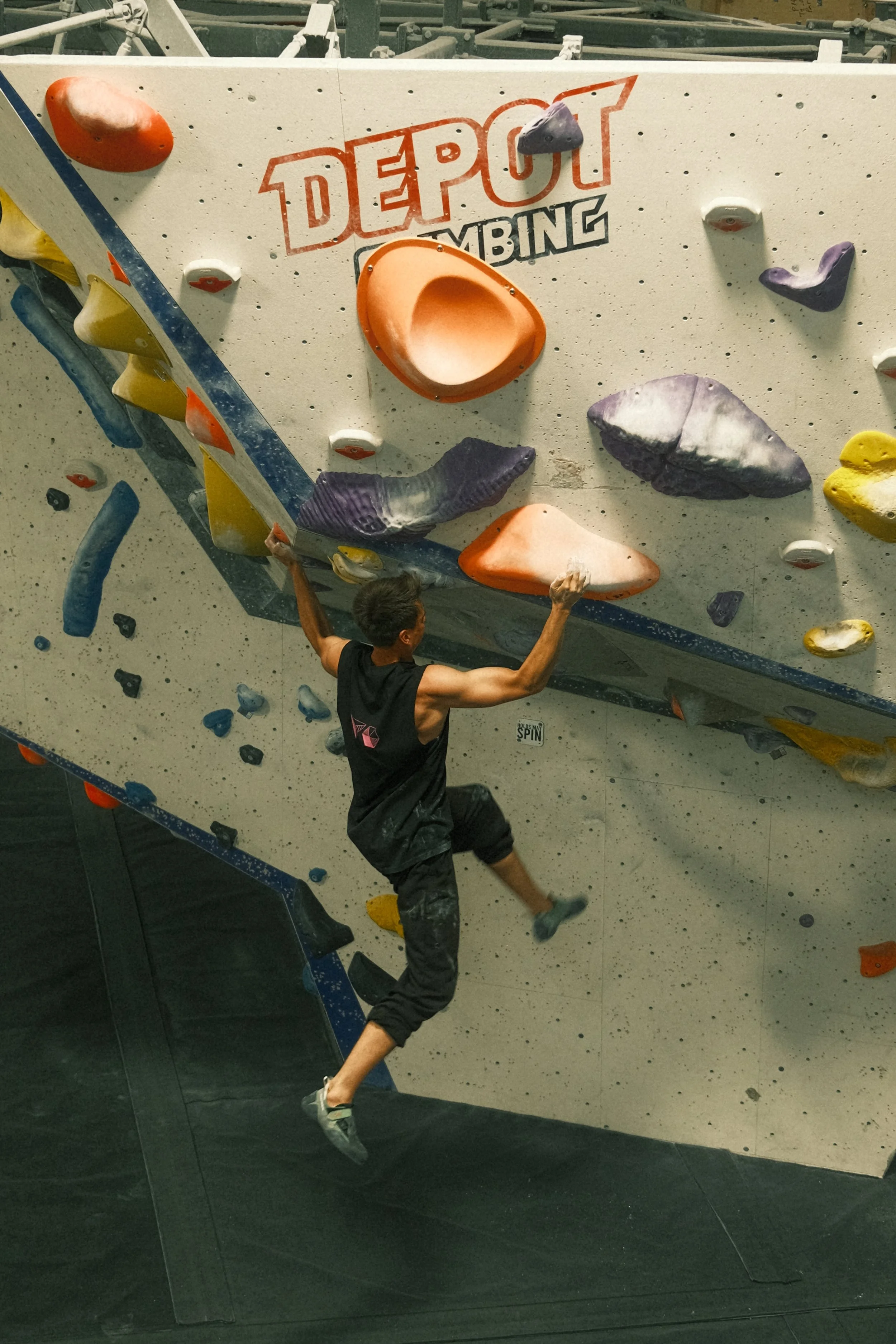
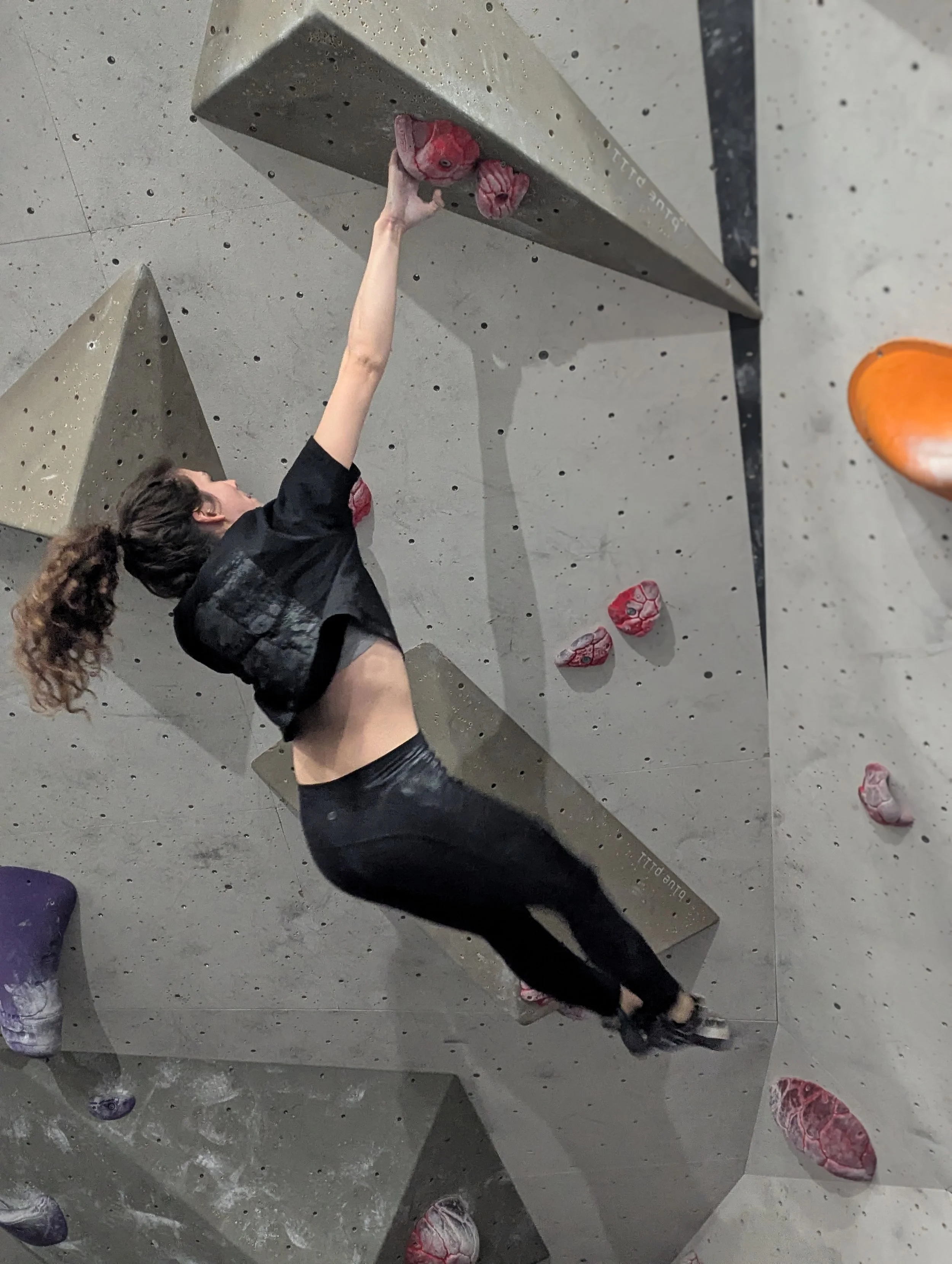
A T-shirt, vest or sports top paired with joggers, leggings, shorts or loose-fitting trousers will usually do the job.
The important thing isn't whether something was designed specifically for climbing. It's whether you can actually climb in it.
What trousers should you wear bouldering?
There isn't really a correct answer.
Spend an evening at a climbing gym and you'll see everything from technical climbing trousers to jeans, tracksuit bottoms, leggings and shorts.
Loose trousers and joggers give you plenty of freedom to move and a bit of protection from scrapes.
Leggings are flexible, comfortable and easy to move in, although thinner fabrics may not enjoy repeated encounters with textured climbing walls.
Shorts keep things cool and unrestricted, particularly in warmer gyms, but your knees and shins are left to fend for themselves.
Whatever you choose, think about your hips and knees.
Bouldering involves high steps, deep squats, heel hooks and plenty of positions you probably don't find yourself in during the average Tuesday.
Your trousers need to come along for the ride.
What should you wear on top?
This bit is easier.
T-shirt. Vest. Sports top. Long sleeve.
Whatever you're comfortable moving and getting a bit sweaty in.
Climbing has a habit of going from standing around staring at a problem to being surprisingly warm thirty seconds later, so something breathable helps.
You also don't want anything so restrictive that reaching above your head becomes a separate challenge.
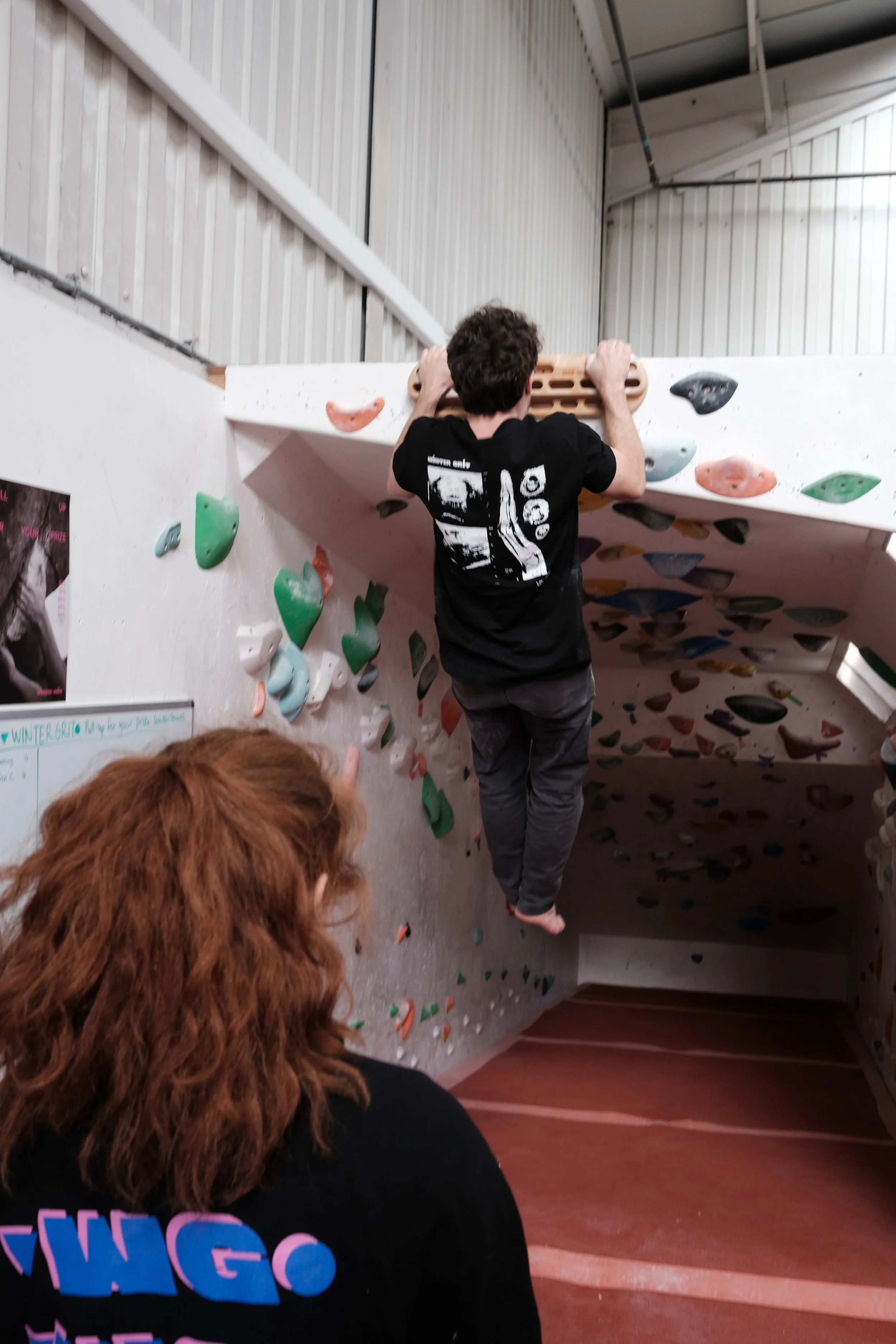
And yes, your favourite oversized T-shirt will probably work perfectly well.

Bring something warm
This is probably more important than it sounds.
Bouldering involves a surprising amount of not actually bouldering.
You'll climb for thirty seconds, sit down, stare at the problem, watch somebody else make it look annoyingly easy, discuss some questionable beta, then try again.
A hoodie, fleece or light jacket you can throw on between attempts is well worth bringing.
Outside, it's less of a recommendation and more of a survival strategy.
Do you need climbing shoes?
This is the exception.
You don't need to buy climbing shoes for your first session, but you'll probably want to climb in them.
Most climbing gyms have rental shoes available, which is usually the easiest place to start.
Climbing shoes give your feet much more precision on small holds than ordinary trainers. They'll probably feel slightly strange the first time you put them on.
That's normal.
They should feel secure, but you don't need to squeeze yourself into painfully small shoes because someone told you that's what proper climbers do.
Rent some. Climb in them. Work out what you like.
You can worry about owning seventeen pairs later.
Indoor and outdoor bouldering are slightly different
For indoor bouldering, comfort and freedom of movement can take you a very long way.
Going outside introduces a few more variables.
Weather. Wind. Rough rock. Mud. Walking to the crag. Sitting around between attempts.
And, if you're climbing in Britain, occasionally experiencing all four seasons before lunch.
Layers become more useful.
Something comfortable to climb in, something warm and an outer layer appropriate for the conditions will cover most situations.
Durability matters a bit more too. Rock tends to be considerably less sympathetic towards clothing than plastic holds.
But the basic principle hasn't changed.
Wear something you can move in.

Do you actually need climbing-specific clothes?
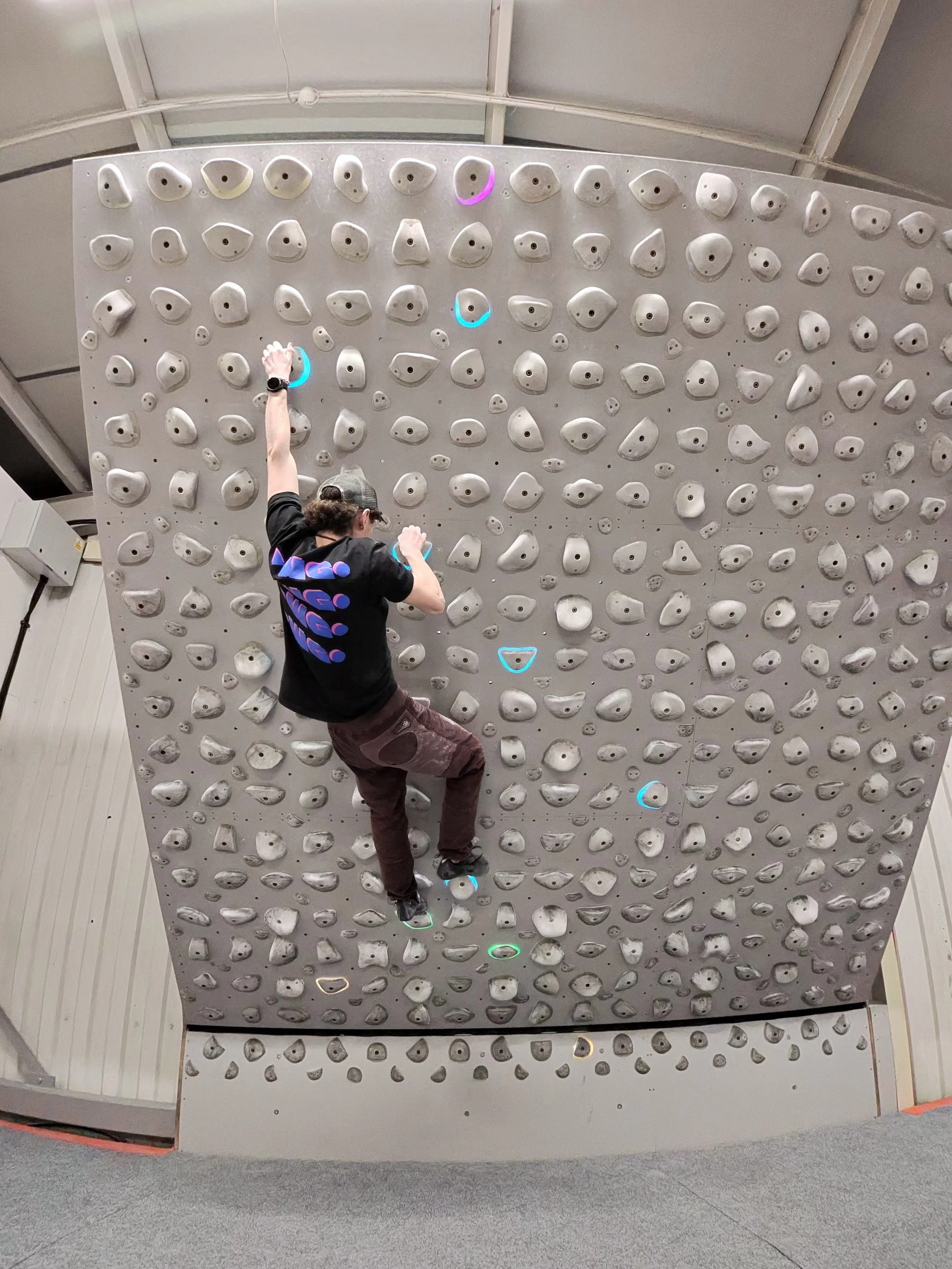
Not really.
Slightly inconvenient answer from a climbing clothing brand, but there we are.
You certainly don't need them to start.
After you've been climbing for a while, though, you'll probably start noticing what you actually like wearing.
Maybe you want more room through the hips.
Maybe you keep destroying the knees of your trousers.
Maybe you prefer oversized T-shirts.
Maybe you want something lighter for sweaty summer sessions.
Maybe you've discovered that your favourite pocket becomes completely useless as soon as you put a harness on.
That's probably a better time to start thinking about climbing-specific clothing.
Not because you need to look like a climber.
Because you've worked out how you like to climb.
Your clothes will probably get damaged
Climbing isn't particularly kind to clothes.
Knees wear through. Seams split. T-shirts develop mysterious little holes. Chalk somehow gets everywhere.
That doesn't necessarily mean something is finished.
A needle, some thread and a patch can often give a favourite piece of clothing years more use. And the repair doesn't necessarily need to be hidden.
We like that idea enough that we created Seams Legit, our clothing repair and customisation workshop.
It's about learning a few basic sewing skills, repairing the things you already own and, if you fancy it, making the repair part of the clothing rather than pretending it never happened.
Because the trousers you've already spent three years climbing in are probably pretty good climbing trousers.
The hole in the knee would suggest they've certainly had enough testing.
The short version
If you're going bouldering for the first time:
Wear something comfortable.
Make sure you can move in it.
Bring something warm.
Rent some climbing shoes.
That's about it.
Nobody is checking.