
Ian Davis Doesn't Really Seem to Get Tired of Climbing
From Chicago to Barcelona to Birmingham, competition climber Ian Davis has spent nearly two decades chasing the same feeling.
Some climbers talk about grades. Some talk about training, some talk about projects.
Ian Davis talks about climbing like someone who'd probably be doing it regardless.
When we caught up with him, what stood out wasn't necessarily the competition results, the international background, or the fact he's been competing for almost his entire life. It was how consistently everything came back to one thing: he genuinely enjoys climbing.
He first stepped onto a wall at four years old after following his older sister into a tiny climbing gym hidden beneath a gymnastics centre in Chicago.
The gym was called Hidden Peak. The competition scene barely existed.
By the age of five he was already entering competitions.
"There were only four people in my category," he laughs. "I got completely destroyed."
The result didn't matter. He loved it. Nearly twenty years later, he still does.
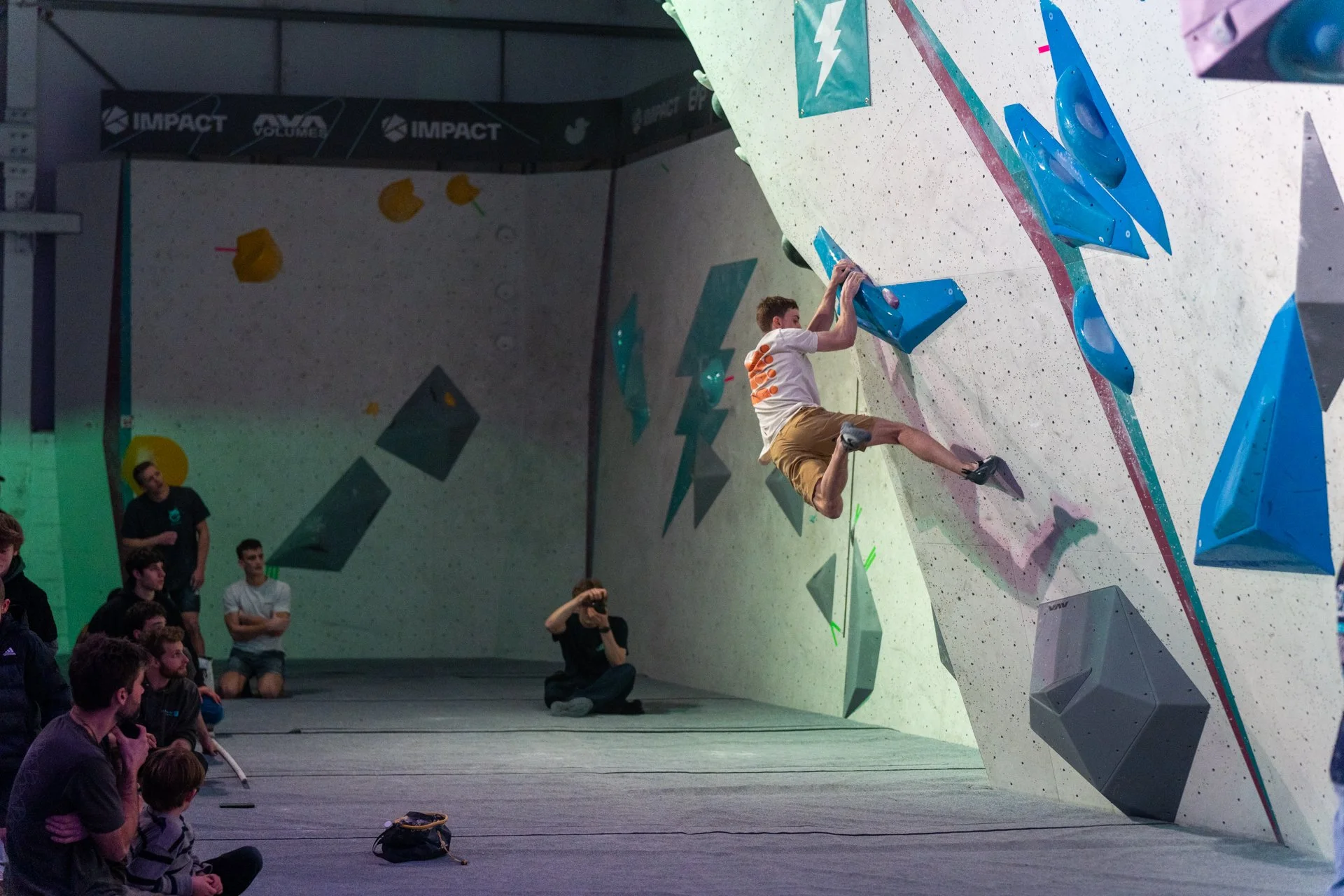
Since that first competition, Ian has never missed a competition season. Not because he feels pressure to perform, but because competition climbing continues to give him something he struggles to find elsewhere.
"The energy, the pressure, the focus. Everything coming down to one moment."
For Ian, that's the attraction; the spotlight, energy of the audience, pressing closing in, possibility of failure... It all appeals to him.
Over the years, climbing has taken Ian far beyond Chicago.
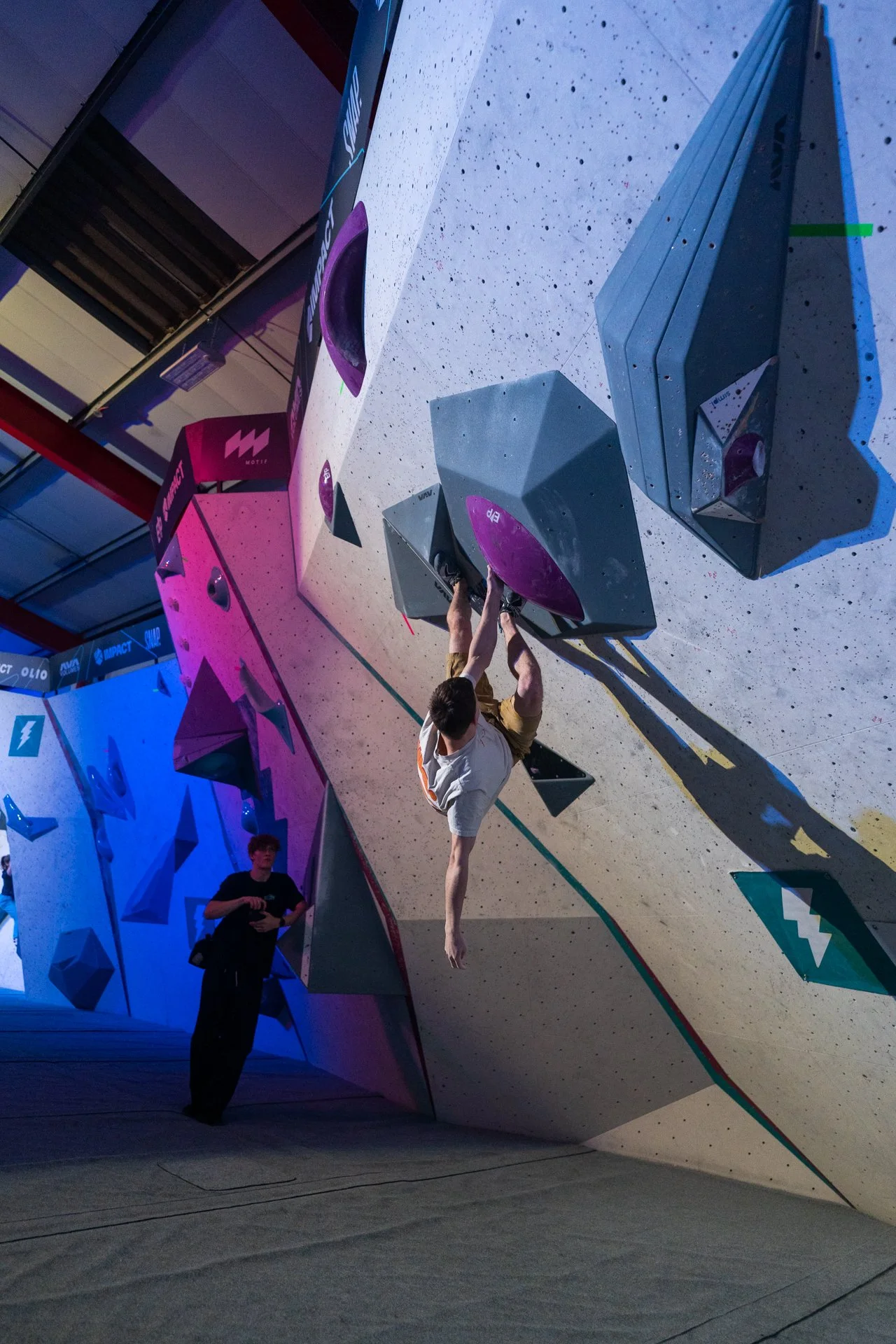
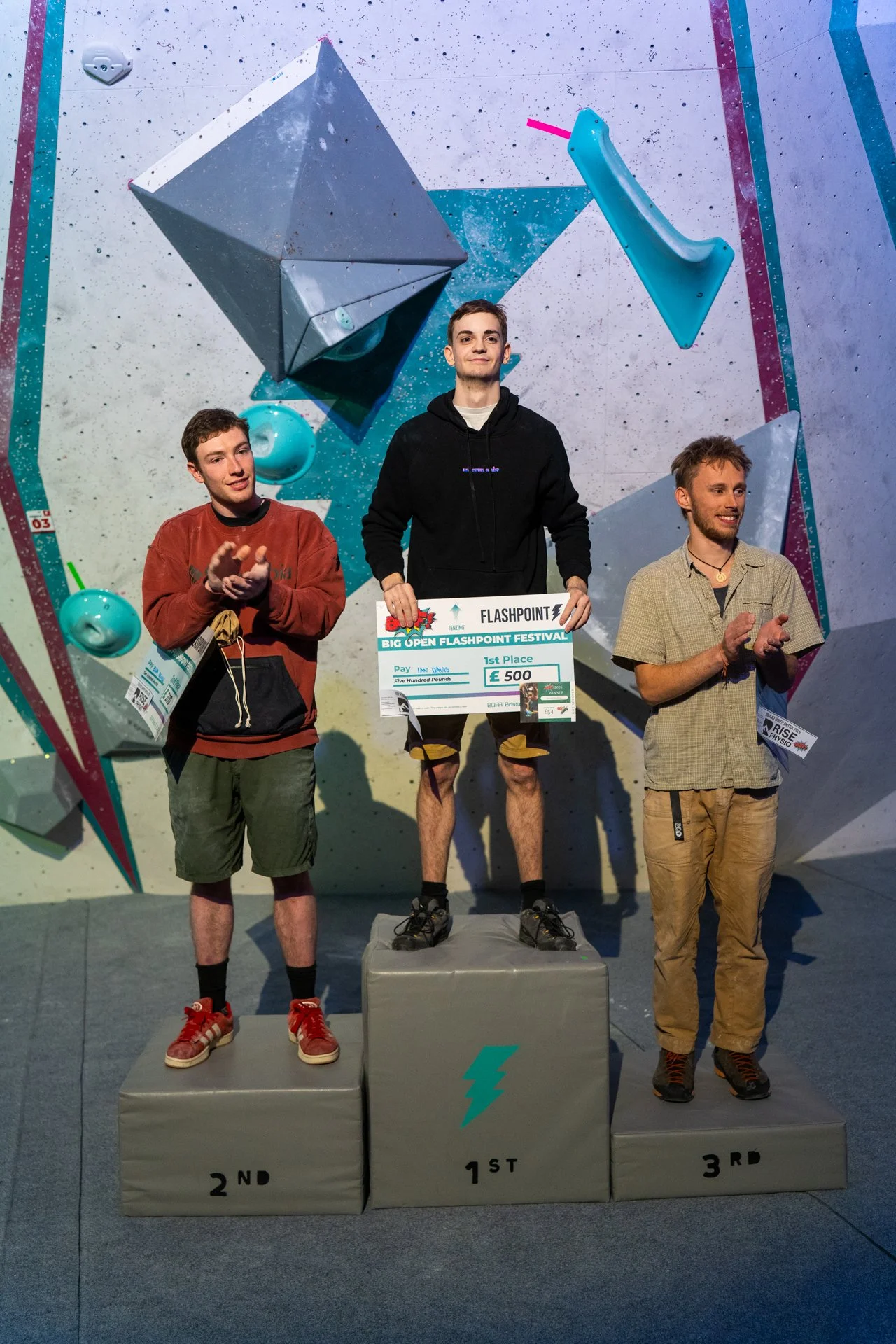
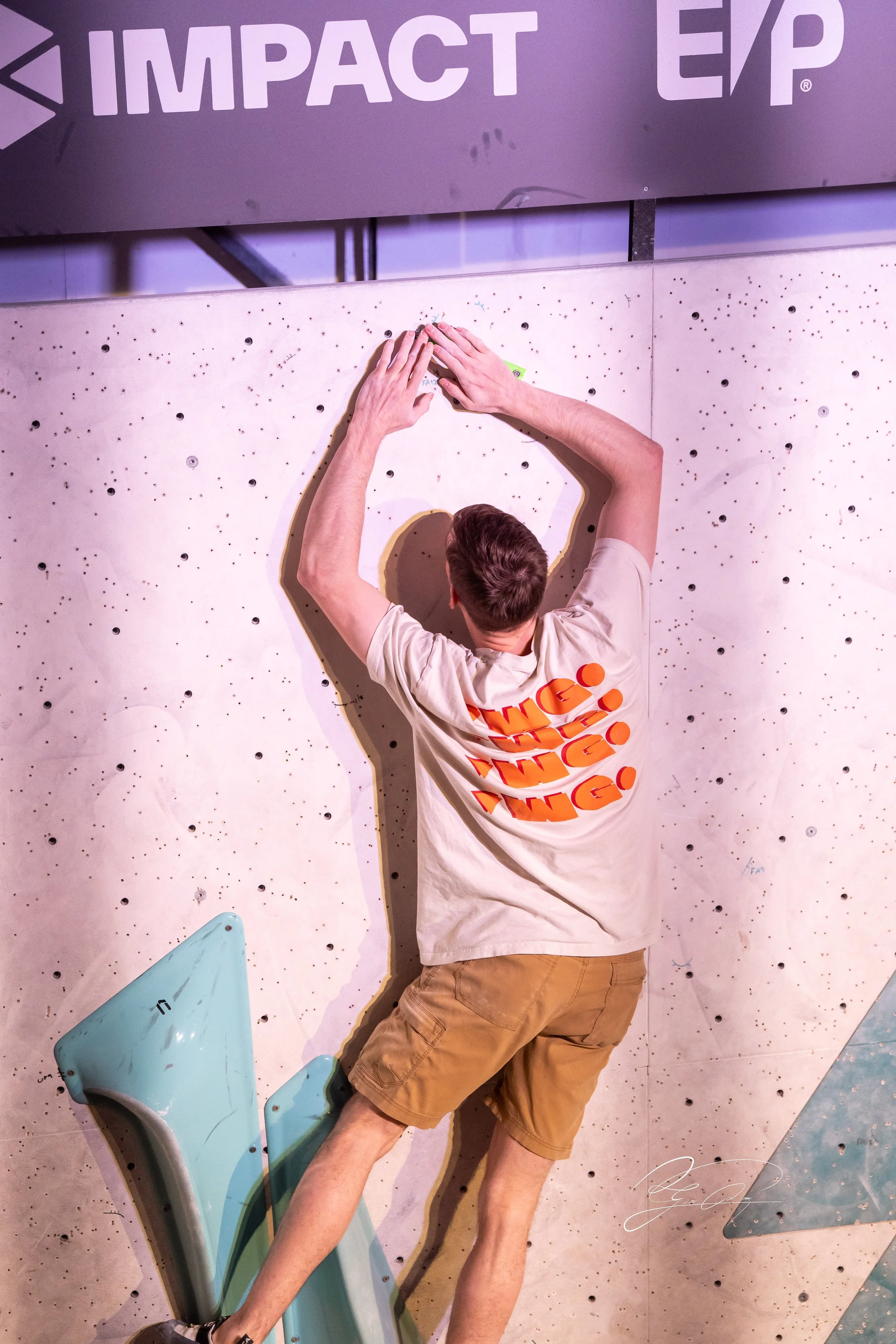
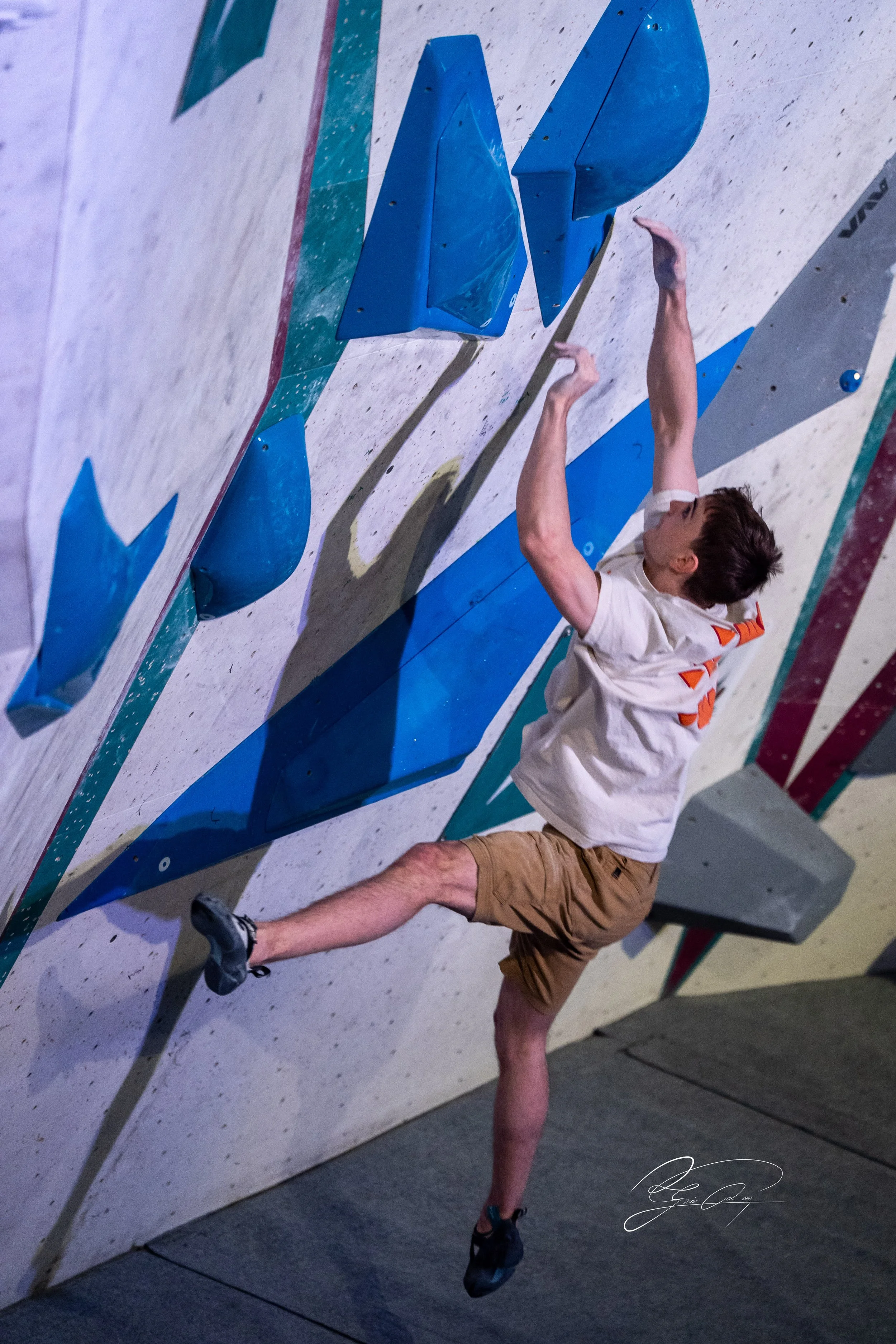
At fourteen, he moved to Barcelona, where he quickly realised climbing wasn't as universal as he'd assumed. Training methods, coaching styles, competition formats and even route setting felt completely different from what he knew.
Rather than resisting it, he leaned in.
Later, another move to Birmingham introduced even more perspectives. British climbing brought something entirely new: sea cliffs, trad climbing, double ropes, and a culture deeply connected to the sport's history.
The more places he lived, the more his climbing evolved.
"Being able to experience climbing in so many different places has made me a much better all-round climber."
But perhaps more importantly, it reinforced something else.
No matter where he was - America, Spain or the UK - the climbing community felt remarkably familiar.
"The same joy and kindness exists everywhere."
For someone who has spent much of his life travelling between climbing scenes, that observation feels significant.
Despite his success in competitions, Ian doesn't describe himself as naturally gifted or flashy.
His own description is far more interesting.
"Powerful and squirmy."
It's a phrase that perfectly captures the way he talks about climbing.
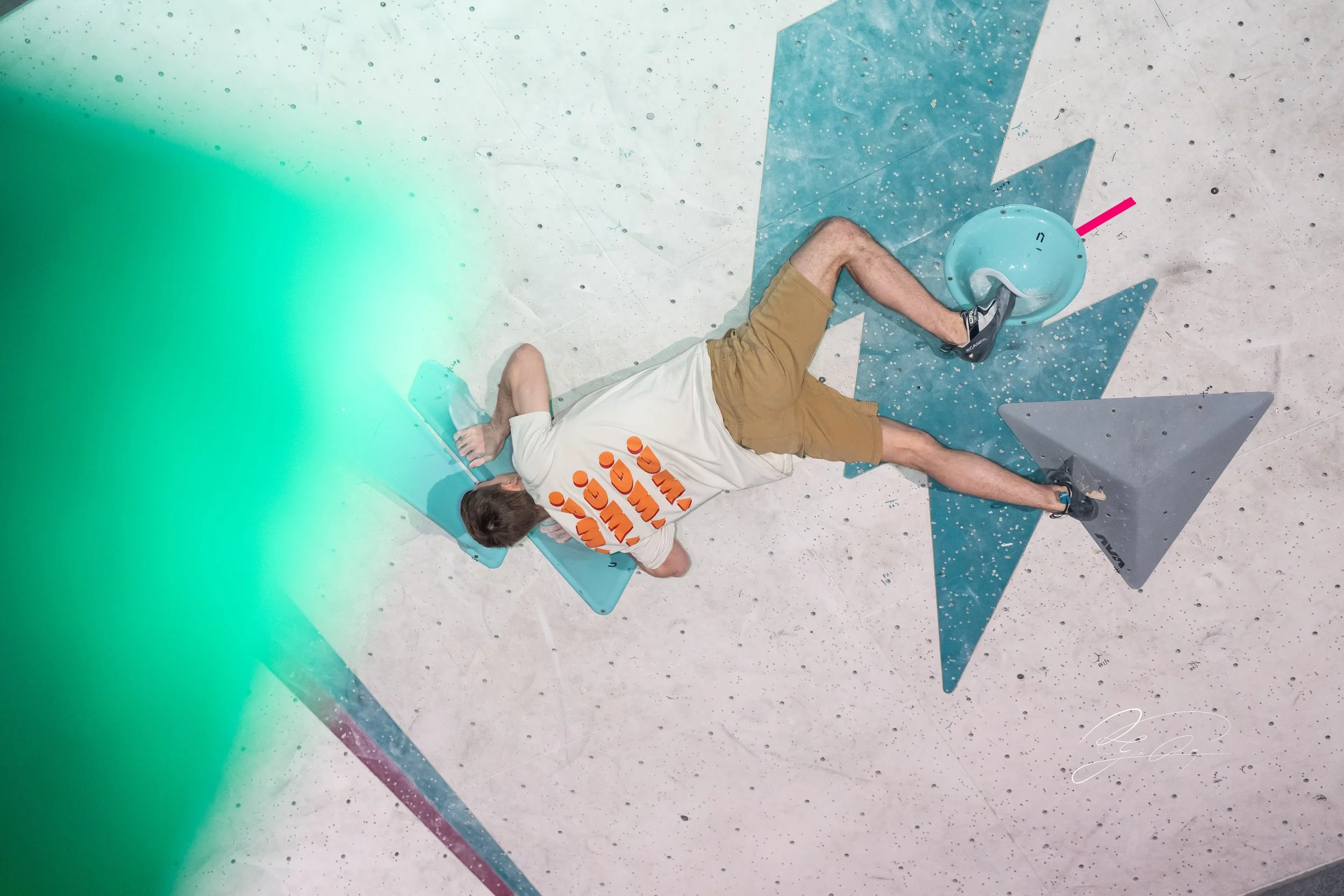
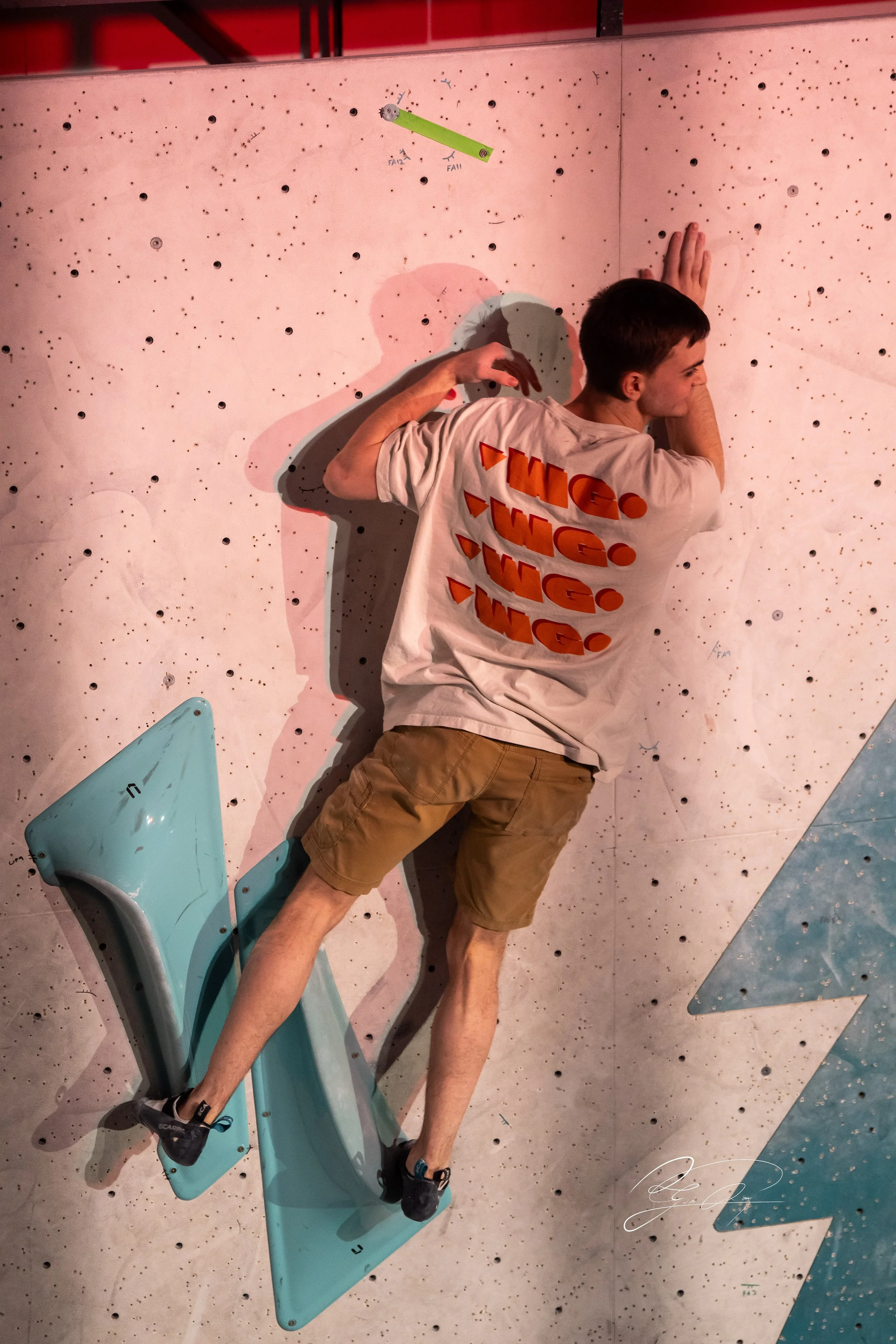
He isn't interested in making moves look easy. He's interested in finding a way through with awkward positions and discomfort. Staying on a bit longer when most people would let go.
"I'm really good at slowly pushing through uncomfortable positions and gritting my teeth until I'm through."
That mentality extends beyond climbing.
Alongside training and competitions, Ian studies Mathematics and Computer Science and is preparing to specialise in Medical Statistics. It's a field that appeals to the same part of his brain that enjoys analysing boulders which requires logic and patience.
In competition, those traits become obvious.
"My mind is extremely focused. The only thoughts going through my head are about the boulder in front of me."
Years of competing have trained him to filter everything else out.
For all the discussion around performance, though, the most refreshing thing about Ian is that he doesn't seem obsessed with chasing the next achievement.
His future plans are surprisingly simple.
More competitions, more climbing inside and out and a career in MedStats.
Nothing particularly dramatic. Just a continuation of a life already built around things he enjoys.
Perhaps that's why climbing has remained such a constant.
When asked how he deals with bad sessions, his answer feels unusually uncomplicated.
"I get home and I'm generally just glad I got to climb."
Not every climber keeps the same enthusiasm they had at five years old.
Ian somehow has.
And maybe that's the secret.
Not finding motivation.
Not chasing results.
Not searching for the perfect training plan.
Just never losing sight of why you started in the first place.
Quick Fire
Favourite type of climbing? Competition climbing.
Favourite climb? Suicide Wall E1, Bosigran, Cornwall.
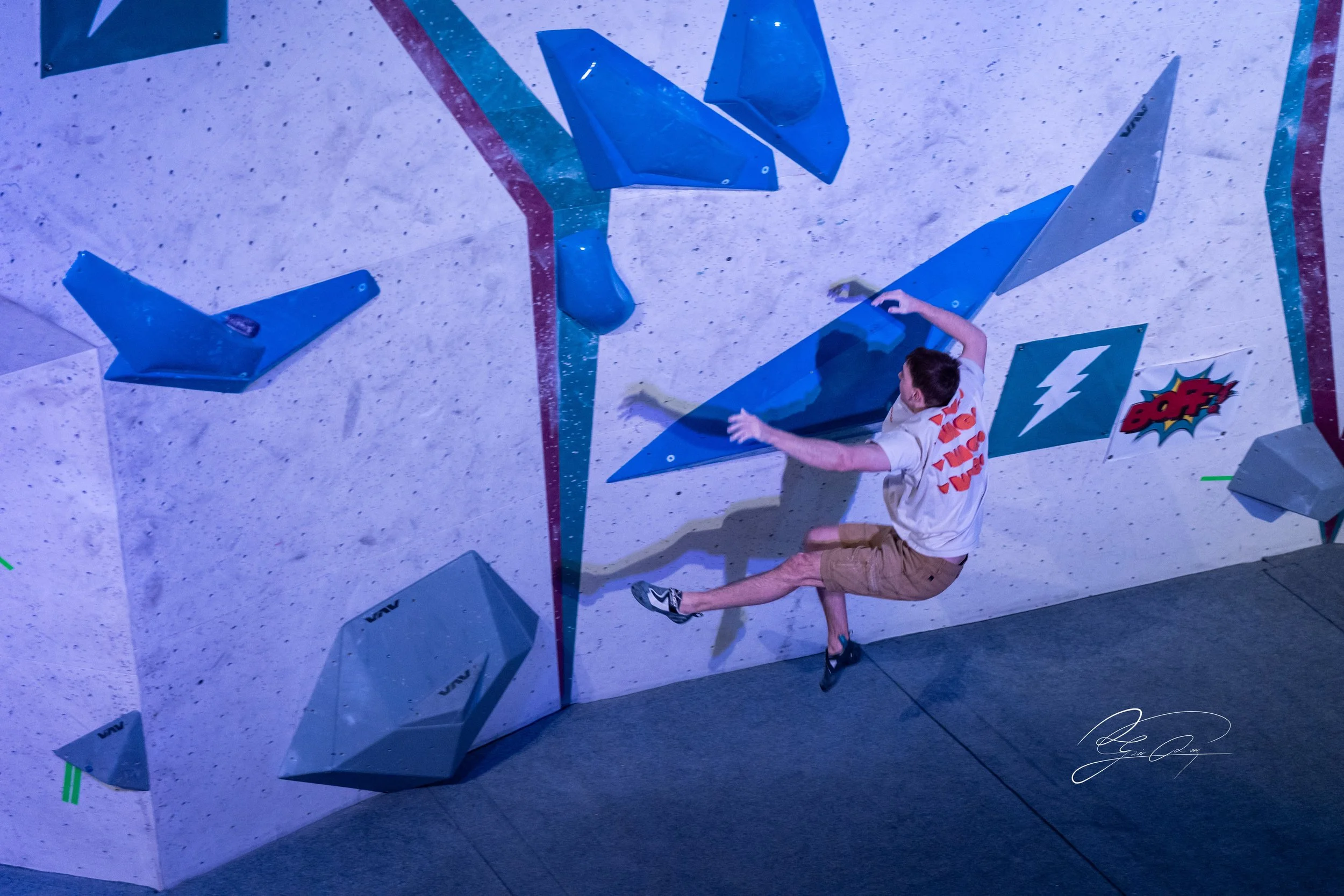
Current weakness? Coordination moves and dynos.
Dream destination? Magic Wood.
Advice for new climbers? Just climb. Try things that feel impossible. The best way to improve is to enjoy it.
Photos by Rhys Cahil and Gavin Long